Exploring the Link Between Anxiety and Social Media Addiction
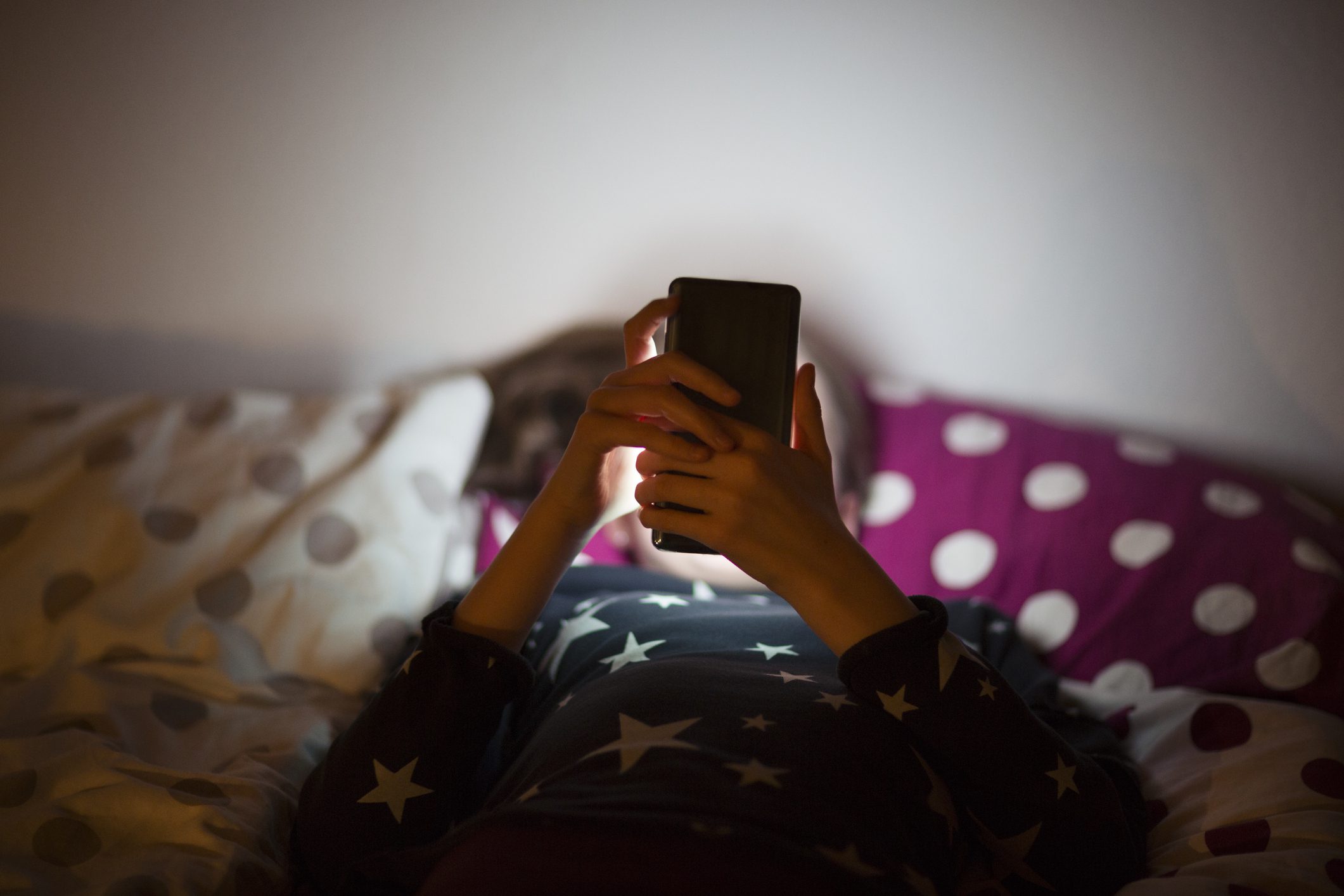
In today’s digital age, social media has become an integral part of our daily lives. It has fundamentally transformed how we communicate, share information and express ourselves. While it offers numerous benefits, such as staying connected with friends and family and providing a platform for self-expression, it also has a darker side. Increasingly, studies are showing a link between social media usage and mental health issues, particularly anxiety.
What Is Anxiety?
Anxiety is a feeling of unease, worry or fear that can range from mild to severe. It is a natural response to stress or danger, often referred to as the “fight or flight” response. This physiological reaction prepares the body to either confront or flee from a perceived threat, and in moderation, it can be beneficial. However, when anxiety becomes chronic and pervasive, it interferes with daily functioning and quality of life, necessitating intervention and management.
While occasional anxiety is a normal part of life, chronic anxiety that interferes with daily functioning is a cause for concern. It can manifest as generalized anxiety disorder, panic disorder or other specific phobias, each with its own set of symptoms and challenges.
Understanding the nature of anxiety and its triggers is essential for developing effective coping strategies and seeking appropriate treatment. This foundational knowledge empowers individuals to recognize when anxiety becomes more than just a transient feeling.
Common anxiety symptoms
- Excessive worrying
- Restlessness or feeling on edge
- Fatigue
- Difficulty concentrating
- Irritability
- Muscle tension
- Sleep disturbances
When anxiety symptoms become overwhelming, they can lead to an anxiety attack, characterized by a sudden onset of intense fear or discomfort. These attacks can be debilitating, often occurring without warning and leading to physical symptoms such as heart palpitations, sweating and shortness of breath. Understanding these symptoms is the first step in recognizing and addressing anxiety. Early recognition allows for timely intervention, which can prevent symptoms from escalating and improve overall mental health outcomes.
The Rise of Social Media and Its Impact
Social media platforms like Facebook, Instagram and TikTok have revolutionized communication, allowing users to share moments, thoughts and experiences in real time. This real-time interaction has facilitated global connectivity, enabling people to maintain relationships across distances and cultural barriers. However, they have also become a source of stress and anxiety for many users. The pressure to maintain a certain online persona or the constant influx of information can be overwhelming, contributing to mental health challenges.
Social media and anxiety: the connection
There are several ways in which social media can contribute to anxiety:
- Comparison and Self-Esteem Issues: Constant exposure to curated images and posts can lead to feelings of inadequacy and low self-esteem, fueling anxiety. The tendency to compare one’s life unfavorably to the seemingly perfect lives portrayed on social media can exacerbate self-doubt and dissatisfaction.
- Fear of Missing Out (FOMO): Social media can create a sense of urgency to stay constantly updated, leading to stress and anxiety. The fear that others are leading more exciting lives or that one is missing out on important events can drive compulsive social media use and heightened anxiety.
- Cyberbullying and Negative Interactions: Online harassment and negative comments can have a significant impact on mental health, exacerbating anxiety and depression. The anonymity of the internet can embolden negative behavior, making individuals vulnerable to hurtful interactions that can be difficult to escape.
- Overstimulation: The constant barrage of information and notifications can overwhelm the brain, leading to heightened stress and anxiety. This overstimulation can impair the ability to focus and relax, perpetuating a cycle of anxiety and digital dependency.
Recognizing Social Media Addiction
Social media addiction is characterized by an excessive and compulsive use of social media platforms. It can manifest in several ways, such as:
- Spending an inordinate amount of time on social media, often at the expense of other activities or responsibilities. This excessive use can erode productivity and disrupt daily routines, leading to further stress and anxiety.
- Neglecting personal or professional responsibilities in favor of social media engagement. The prioritization of digital interactions over real-world obligations can strain relationships and hinder personal and professional growth.
- Experiencing withdrawal symptoms when not using social media, such as irritability or anxiety. This dependence on social media for emotional regulation underscores the addictive potential of these platforms.
- Using social media as a primary means of coping with stress or anxiety, rather than addressing the root causes of these emotions. This reliance can perpetuate a cycle of avoidance and emotional distress.
Recognizing these signs is essential for addressing the underlying issues and seeking help. By acknowledging the impact of social media on mental health, individuals can take steps to regain control and foster healthier habits.
Practical Steps to Manage Anxiety and Social Media Usage
Managing anxiety and social media usage requires a proactive approach that prioritizes mental well-being. Implementing practical strategies can empower individuals to navigate the complexities of the digital world while fostering a healthier relationship with technology.
Limit social media use
Set specific time limits for social media use each day to reduce its impact on your mental health. This intentional approach can help break the cycle of compulsive checking and create space for more meaningful activities. Apps and built-in phone settings can help track and manage screen time effectively, providing insights into usage patterns and areas for improvement.
Practice mindfulness
Mindfulness techniques, such as meditation and deep breathing exercises, can help reduce anxiety symptoms and improve overall well-being. These practices encourage present-moment awareness and stress reduction, fostering a sense of calm and clarity. Incorporating mindfulness into daily routines can enhance emotional resilience and counteract the negative effects of social media.
Seek professional help
If anxiety or social media addiction is affecting your daily life, consider seeking professional help. Therapists can provide coping strategies and support tailored to your needs, offering guidance on navigating the challenges of digital life. Professional intervention can be a crucial step in breaking the cycle of anxiety and addiction, paving the way for recovery and personal growth.
Engage in offline activities
Reconnecting with offline hobbies and activities can provide a healthy balance and reduce reliance on social media for fulfillment and entertainment. Engaging in creative pursuits, physical exercise or social interactions in the real world can offer a sense of accomplishment and satisfaction that digital engagement may lack.
Build a supportive network
Surround yourself with a supportive network of friends and family who understand your struggles and can offer encouragement and assistance. Open communication about mental health challenges can foster empathy and strengthen relationships, providing a safety net for times of distress.
Help for Anxiety in Maumee, OH
If you or a loved one are struggling with anxiety or social media addiction, remember that help is available.
Arrowhead Behavioral Health is a behavioral health center providing inpatient, outpatient and detox treatment in Maumee, Ohio.
Remember, reaching out for help is a courageous step towards a healthier, more fulfilling life. If you or someone you know is struggling, do not hesitate to reach out to us by giving us a call at 419-891-9333.